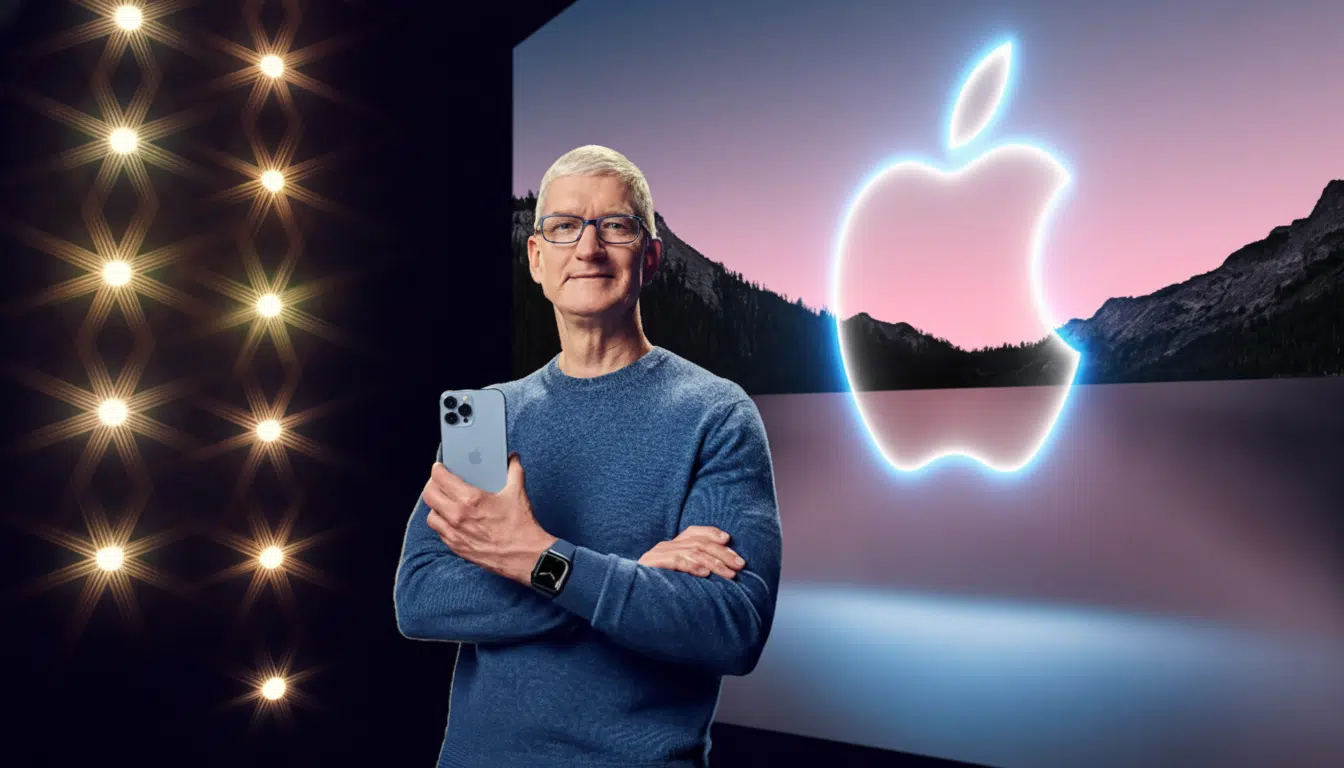
Apple is quietly ramping up its CEO succession planning, according to the Financial Times. Executives are preparing for the possibility that Tim Cook could pass the baton as soon as after the next earnings cycle. While no final decision has been made, the board and senior leadership are outlining a timeline aimed at minimizing disruption ahead of major product and developer milestones. Hardware chief John Ternus has emerged as the leading internal candidate, according to people familiar with the process.
A Deliberate Transition in Motion
Apple’s board has long favored steady continuity over abrupt change. That approach shaped the seamless handoff from Steve Jobs to Cook and appears to inform the current process as well. The goal is to ensure the next chief executive has time to establish priorities before Apple’s annual developer cycle ramps up—stabilizing teams, partners, and product roadmaps.
Corporate governance experts note that companies at Apple’s scale typically prepare multiple succession scenarios to maintain flexibility. Reports suggest Apple has moved beyond early-stage discussion into contingency planning—mapping out communication strategy, interim responsibilities, and near-term execution goals.
The Internal Contenders
At the top of the shortlist sits John Ternus, senior vice president of Hardware Engineering. Having led iPhone, iPad, and Mac hardware teams for more than a decade, Ternus was instrumental in Apple’s shift to in-house silicon—reducing reliance on external chipmakers and driving its industry-leading performance-per-watt advantages. Those engineering gains have become core to Apple’s product and financial edge.
Chief Operating Officer Jeff Williams remains another strong contender. Known for his operational rigor, Williams has overseen supply chains, the Apple Watch, and Apple’s health initiatives. His experience with large-scale execution and product integration aligns closely with the company’s culture. However, reporting suggests that board confidence currently tilts toward Ternus.
Other senior leaders also play key roles in Apple’s leadership bench: Craig Federighi oversees platform software; Eddy Cue runs the services business, spanning media, payments, and cloud; John Giannandrea leads AI strategy; and CFO Luca Maestri provides investor stability. Yet Apple’s history of promoting executives with deep product and operational expertise positions Ternus favorably.
The Strategic Crossroads Ahead
The next CEO will inherit an Apple that has transformed dramatically under Tim Cook. Since 2011, the company’s market value has expanded from roughly $350 billion to more than $4 trillion, fueled by the iPhone’s durability, the rise of wearables, and the profitability of its services ecosystem. Services now form a large, stable portion of Apple’s revenue, reducing dependence on hardware cycles.
Artificial intelligence represents the next major frontier. Apple’s strategy centers on privacy-respecting, on-device intelligence—distinguishing it from cloud-first competitors. The company’s challenge is to deliver features that feel both seamless and essential, without sacrificing performance, battery life, or user trust. How Apple balances in-house AI development with external partnerships will be an early test for Cook’s successor.
Global supply diversification remains another priority. Apple continues expanding production in India and Vietnam to reduce its reliance on China, while navigating complex trade dynamics and legal pressures. Ongoing regulatory battles over the App Store and intellectual property reinforce that Apple’s next leader must combine operational acumen with strategic finesse.
Cook’s Legacy and the Road Ahead
Tim Cook’s tenure will be remembered for operational excellence, shareholder returns, and the creation of an ecosystem spanning hardware, software, and services. Under his leadership, Apple launched the M-series silicon transition, expanded into wearables and entertainment, and executed one of the largest capital return programs in corporate history.
His successor faces a tall order: sustaining Apple’s massive cash flows while reigniting category expansion—whether through spatial computing, health, or AI-native experiences. The next era at Apple will hinge on balancing bold innovation with disciplined execution.
What Investors Should Watch
Analysts point to several early indicators of a shift:
- Emerging promotions or expanded roles for key deputies such as Ternus or Sabih Khan.
- Changes in leadership structure that consolidate hardware, AI, and software teams under tighter coordination.
- Adjustments in investor messaging that reference longer-term AI or silicon roadmaps.
- Continued buybacks and dividends to signal stability—or selective acquisitions in AI and health as signs of a
strategic pivot. - Subtle shifts in board composition or committee leadership, which often precede major executive decisions.
Whether Cook’s departure comes this year or later, all signs suggest Apple is preparing for a methodical handover—not a reactive one. That measured approach reflects the company’s DNA: disciplined, product-first, and relentlessly steady, even at moments of transformation.