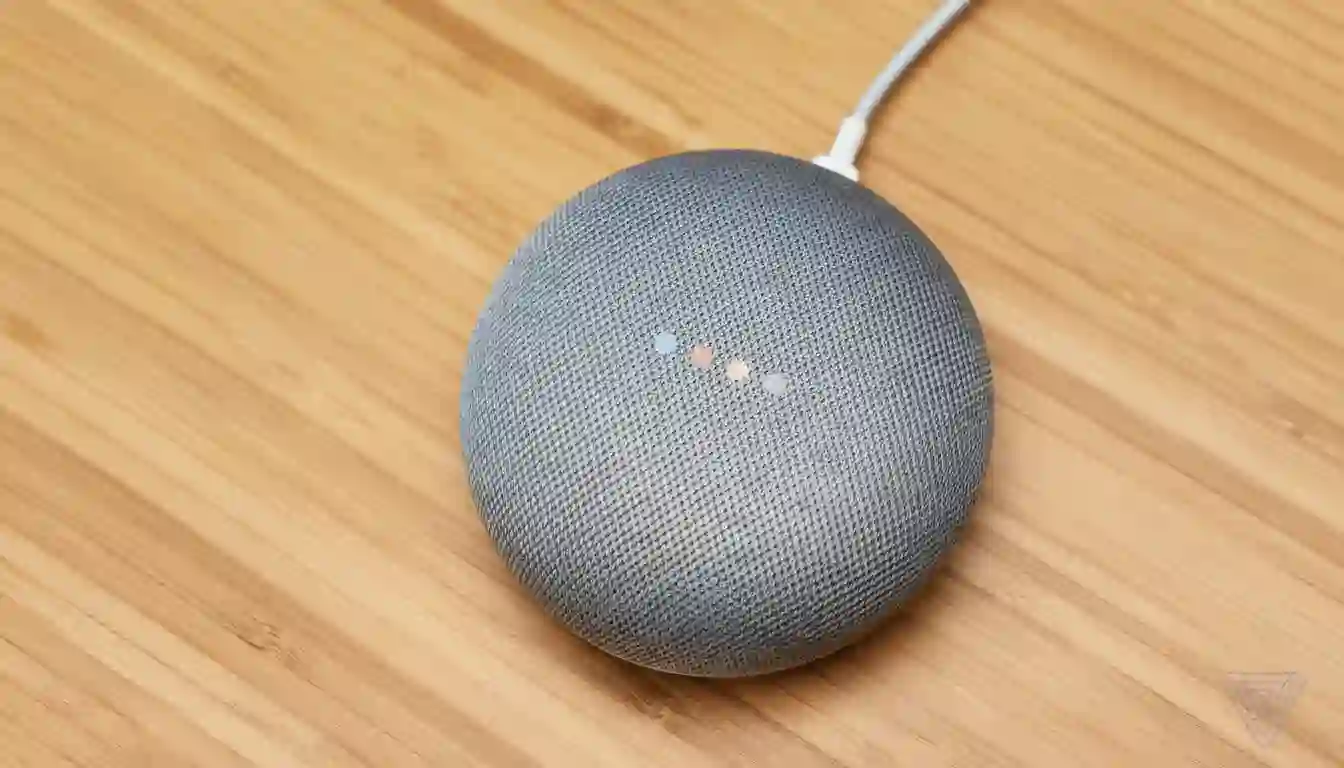
I built a house around Google’s smart ecosystem, wiring it with connected bulbs, switches, sensors, and speakers—all orchestrated by Google Home and Assistant. At first, it felt effortless. But over time, the cracks showed: voice commands that stuttered or failed without reason, routines too rigid for real life, and a Matter rollout that somehow made simple things harder. What was meant to make my home smarter became my least reliable line of defense.
Where Voice Control Fell Short
It wasn’t one catastrophic failure that broke the illusion of convenience, but the steady drip of small ones. Commands that worked an hour ago failed minutes later. Asking the Assistant to dim the lights often took longer than walking over and flipping a switch. The constant refrains—“Sorry, I can’t do that” and “That device isn’t set up yet”—turned convenience into chance.
Industry data tells a similar story. According to NPR and Edison Research, most people use smart speakers for music, weather, and timers—simple, one-off tasks that don’t stress the system. Even Google trimmed Assistant’s features to “focus on quality,” a quiet admission that reliability matters more than novelty. Voice is fine for spontaneous control. It’s a poor foundation for real automation.
Routines Without Real Intelligence
The promise of a smart home isn’t issuing commands—it’s a home that anticipates needs. Lights should adjust to room brightness, air purifiers should kick in when pollution rises, and heating should respond to presence, not prompts. Yet Google’s updated routine editor remains clumsy and limited.
Some glaring gaps:
- Air quality sensors report PM and VOC levels but can’t automatically trigger purifiers.
- Laundry machines can’t trigger alerts, limiting their usefulness as automations.
- Devices like robot vacuums or cameras may appear in Home but aren’t usable in routines.
- Multi-sensor logic—like using motion upstairs versus downstairs to infer activity—is absent.
- These are basic automations for enthusiasts, yet Google still doesn’t support them.
Matter: Promise vs. Practice
Matter was billed as the standard to end smart home fragmentation—a universal, local, and secure language for connected devices. In practice, early adoption felt more like a maze. Devices paired and disappeared. Multi-admin setups behaved inconsistently. Network demands like IPv6 added new friction.
Even worse, many advanced settings still require manufacturer apps, undermining the “one app for everything” story. Logs are non-existent, error codes inscrutable, and support confusing. Matter was supposed to simplify; instead, it created new failure points while still forcing reliance on brand apps.
The Shift to Zigbee and Home Assistant
The real solution wasn’t cleverer AI but simpler reliability. I migrated core devices—switches, sensors, and triggers—to Zigbee, a low-power local mesh network, and made Home Assistant the command center. The difference was immediate: fast automations, observable logs, and granular control without arbitrary restrictions.
Home Assistant bridged everything Google couldn’t: Bluetooth desk motors, alarm systems, NAS and routers, robot vacuums, cameras, and thermostats. Every entity could act as a trigger or respond to one. When something failed, the logbook made it clear why. Cheap Zigbee sensors filled gaps—monitoring air quality, motion, and door contacts—with uptime that Wi‑Fi devices rarely matched.
This isn’t just hobbyist tinkering. IDC’s data attributes smart home stagnation partly to poor interoperability. Energy studies, like those from ACEEE, show that well-tuned automation can cut HVAC use by 10–15%. The tech can deliver—if the orchestration works.
What Google Must Fix
Three improvements could bring me back:
- Unlock all device classes and attributes in routines—purifiers, vacuums, cameras, locks, sensors, and more.
- Run complex automations locally by default, with real logs, traceability, and speed.
- Make Matter multi-admin and complete, or clearly signal when brand apps are required.
I still say “Hey Google,” but the brain of my home now runs on local logic, not cloud dreams. Until Google turns its routines into a genuine automation platform, the smartest thing for a smart home may be to escape the Google bubble.